A riveting look into the plight of OFWs
Midnight Girls delivers some of the strongest performances seen in a local film this year.
Written by Wowie Lagman
The thing that has always fascinated me about writer-director Irene Emma Villamor is her knack for transforming simple, mundane storylines into compelling stories that showcase the complexities of the human psyche.
Her movies didn't need outrageous plots to get people's attention. They can be simply about two ex-lovers planning to meet to settle issues with properties they previously owned or a young woman who grew up afraid of the rain.
Villamor has the incredible ability of spinning the ordinary into something truly riveting, the same way some contestants on American Idol were praised by having the ability to 'sing the phonebook.' Her storytelling capabilities are truly a gift.
It wasn't too long ago when she gave us the devastatingly beautiful The Loved One. Now, she's back with an equally engrossing movie that tackles a different kind of love: Midnight Girls.
Set in Nagoya, Japan, Midnight Girls tells the story of four young Filipina woman forced by poverty to work abroad as entertainers. They enter the country through fixed marriages and work their way to freedom by earning enough money to pay their Japanese husbands so they could file for divorce five years later.
Vicky (Jodi Sta. Maria), Paris (Sanya Lopez), and Saki (Jane Oineza) arrive in Japan to marry their Japanese fiancés, accompanied by a Filipina who appeared to be a professional fixer. Once the union has been approved by the clerk and (awkward) photo-ops are finished, the three newcomers are immediately whisked off to the omise (night club) where they are to work as entertainers.
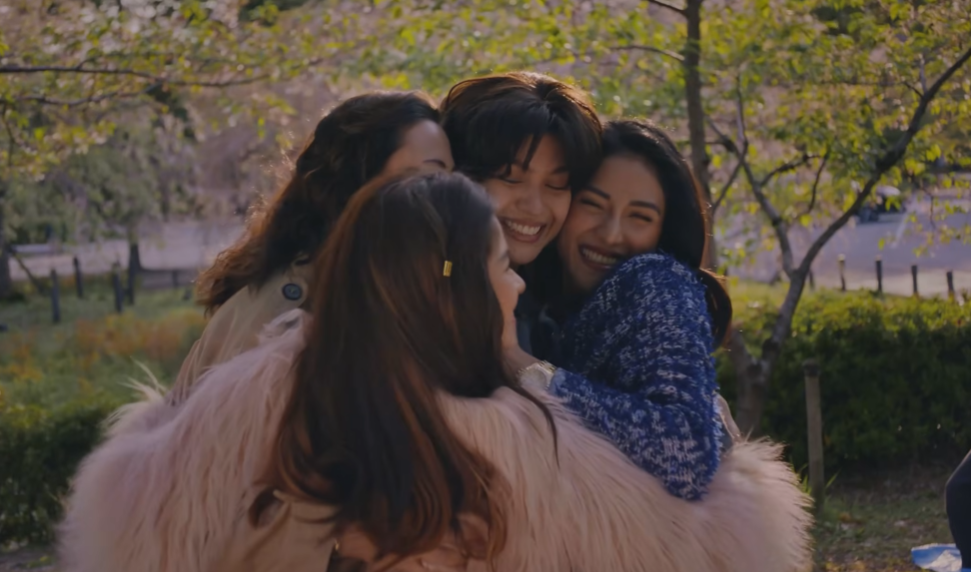
"Hindi tayo pinalaki ng Sexbomb para bumawi," Vicky tells the other two, obviously nervous about the uncertainty of what they are about to face. There was no time to take in their new environment. With their luggage still in tow, the new wives don gold bikini tops and skimpy shorts and prepare to hit the dance floor.
From the get-go, Villamor seems to be clear about something: there's no romanticizing the plight of these women (and what they represent) which is common in movies with similar storylines. She didn't waste time establishing why the three had to marry strangers with scenes that depict poverty nor dwell too much on the difficulties of working multiple jobs while trying to keep their families intact.

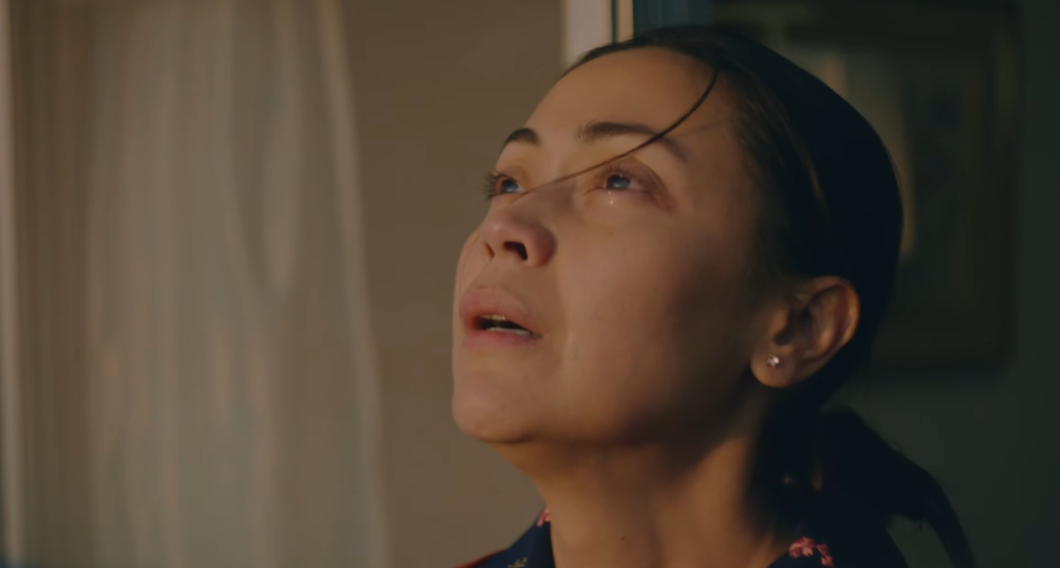
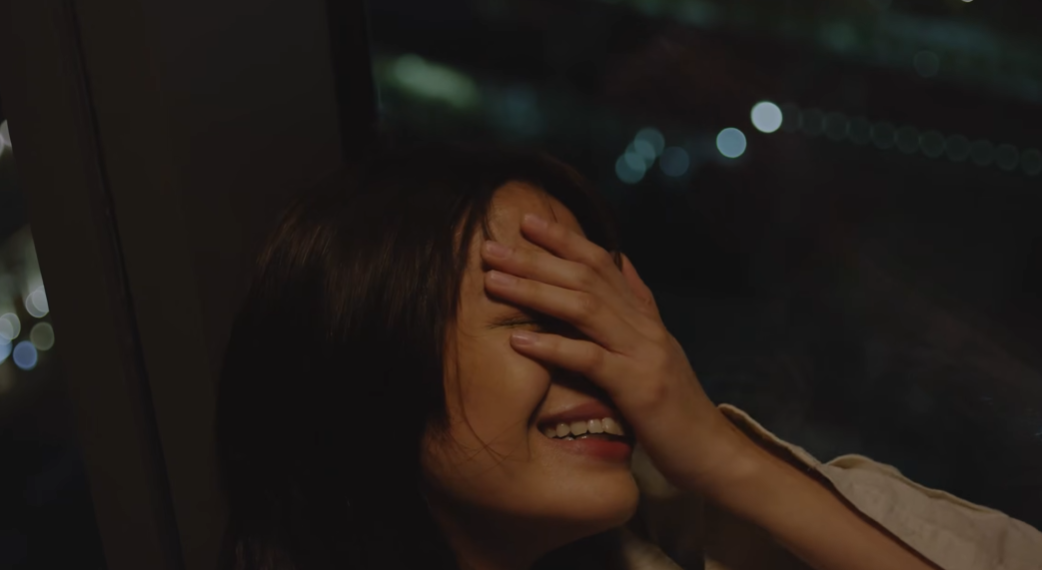

Anchored by a pretty solid script, the movie paints a vivid image of the realities of women who are forced to go down this path (and the rest of the overseas Filipino workers).
It's engrossing even without the melodrama. The realistic approach is also respectful to the women (and men) whose work abroad resemble the ones depicted in the movie. By focusing on the people behind each character, the movie was able to shed light on the more important issues that people need to understand. Not the poverty that pushed them to leave home to work or the demanding relatives who can't seem to understand that people like Saki should not be treated as cash cows.
Vicky, Saki, Paris, and Wanna represent more than those. They personify resilience amid mental health crises, the need for vulnerability in a world that's unforgiving to the weak-willed, to name a few.
The reason the movie's themes are effectively riveting is because of the ensemble's solid performances.
The ever-brilliant Sta. Maria clearly knows how to lead by example. By delivering an amazing performance, it seems her prowess rubbed off on the rest of the cast. Oineza and Lopez, with enough credits under their respective belts were great; no surprise there. It was Andalio who delivered a surprisingly nuanced performance as a young woman who adapted well to the life of an omise worker.
The supporting cast is also commendable. Zaijian Jaranilla, who plays Sta. Maria's son, continues to prove his acting chops. The fact that despite his scenes opposite Sta. Maria being confined to a phone screen managed to be one of the movie's strongest emotional highlights says a lot to both actors' skills.
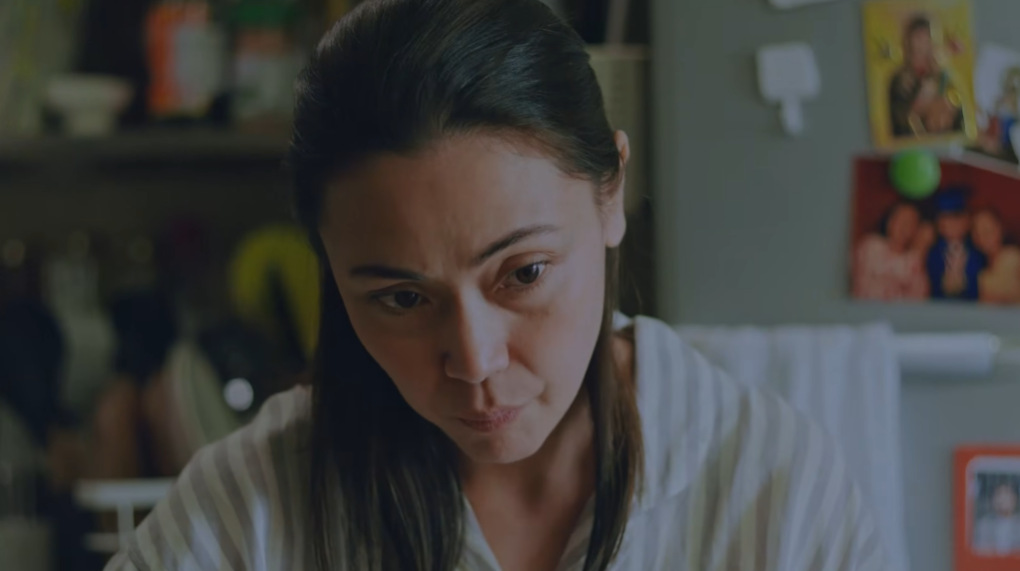
This is one of those rare local movies where the plot is propelled forward by the decisions the characters make and not by some huge plot developments.
This character-driven style is complemented by the interviews of women who worked as entertainers. This touch of documentary-style storytelling gives the movie more depth. But honestly, the movie could have done without these. It's strong enough on its own.