Fab? Yes. Groundbreaking? No.
The new movie is a huge fan service. And we're not complaining.
Written by Wowie Lagman
In some other parts of the world, it's still spring. And a sequel in spring sounds... groundbreaking?
It doesn't but it's a sequel many people need. And when I say 'people' it doesn't only mean fans of the 2006 original but everyone because The Devil Wears Prada 2 isn't just a sequel made as fan service, it's also a movie that continues to be a coming-of-age story for many.
Andy Sachs (Anne Hathaway) blossomed into a confident and chic second assistant by the end of the first movie. She came out of her shell and learned how the world (not just the world of fashion) works.
Her character development in the first movie was aspirational and is one of the many reasons why the movie resonated with audiences. And that's why the idea of having a sequel is so appealing.
The way Andy left Miranda (Meryl Streep) at the height of Paris Fashion Week after realizing she doesn't want to be successful in fashion if it means being cutthroat and ruthless begs the question what happens to Andy now? And what about Miranda?
That alone is enough of a reason to want a sequel. It would be great to see what Andy has done since trading a potentially bright future at Runway for a stint in becoming a serious reporter.
Which is great because the sequel starts out with that. Twenty years later, Andy is a respected and successful journalist who's been around the world chasing stories that impact people's live.
Oh, and she's got more style now. The opening scene shows her strutting down the street with a confident bounce in her steps, wearing a chic outfit. She's lost the naive and awkward streak that makes her fidget. As she passes by a shopping window, she pulls out a lipstick and applies it on her way to the NYPC Journalism Awards, where she is a nominee.
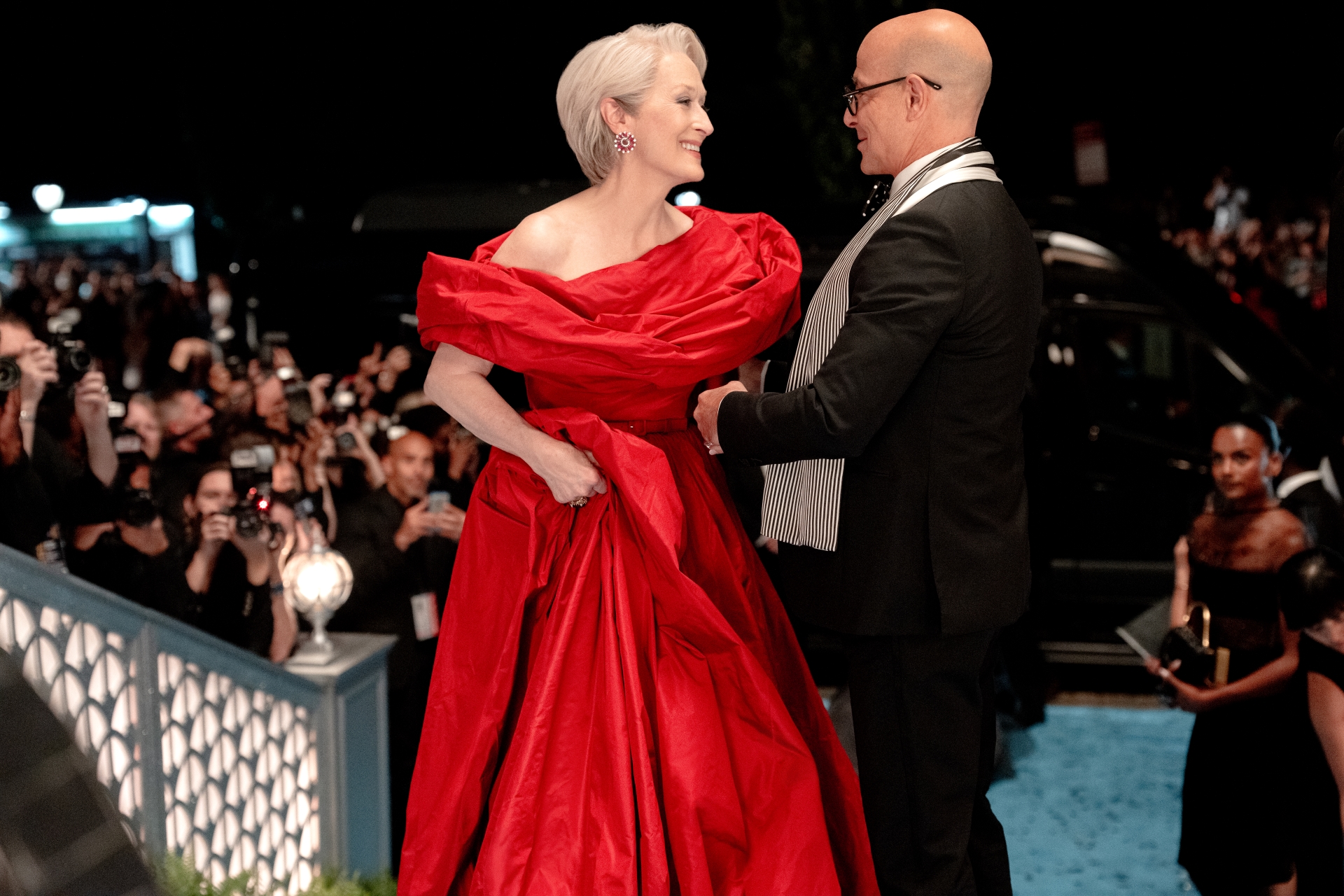
Miranda, on the other hand, is still caustic and dismissive. She still has that rude streak in her but these days she's mellowed down by her assistant, Amari (Simone Ashley), who habitually tells her what she can or cannot say.
Somewhere in the city, Runway is gearing up for an event, interestingly called 'Spring Florals'—a nod to the one of Miranda's popular lines in the original movie. And that's just one of the many The Devil Wears Prada references that fans will love. In a lot of ways, the movie is a huge fan service; a stylish trip down memory lane that does not overdo itself. But let's face it. Even if the movie is brimming with easter eggs, audiences would not mind. Not one bit.
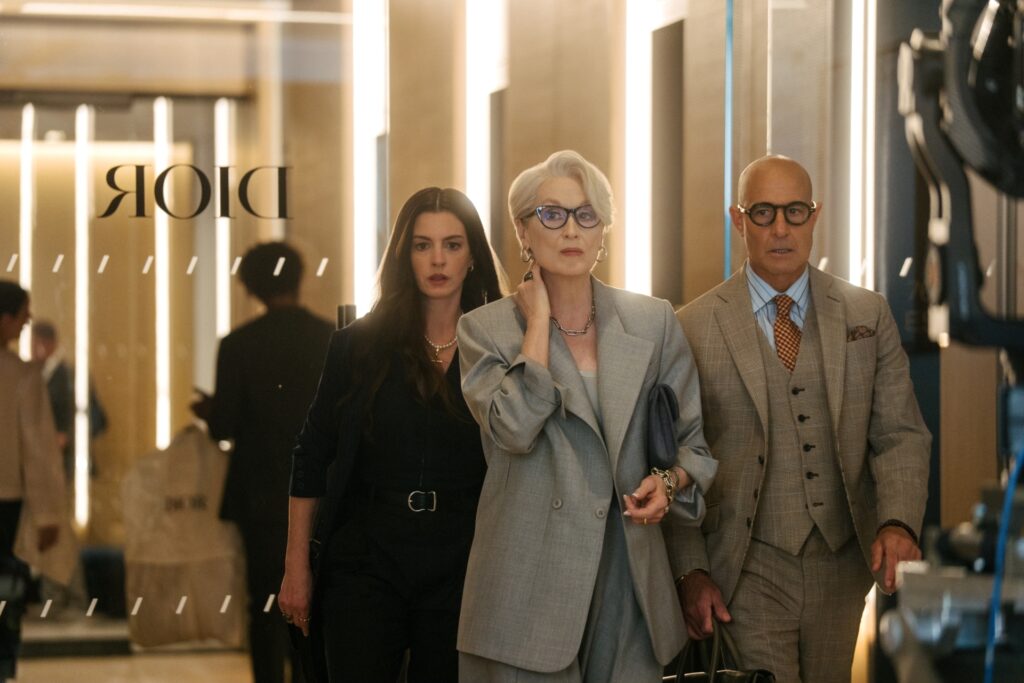
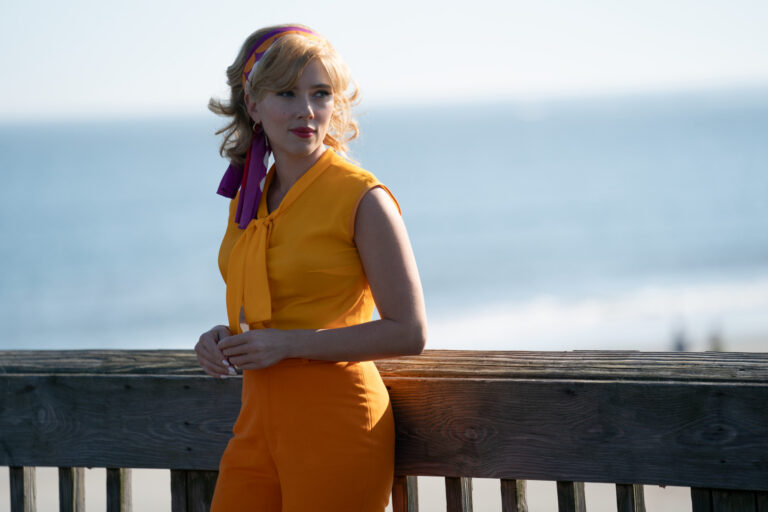
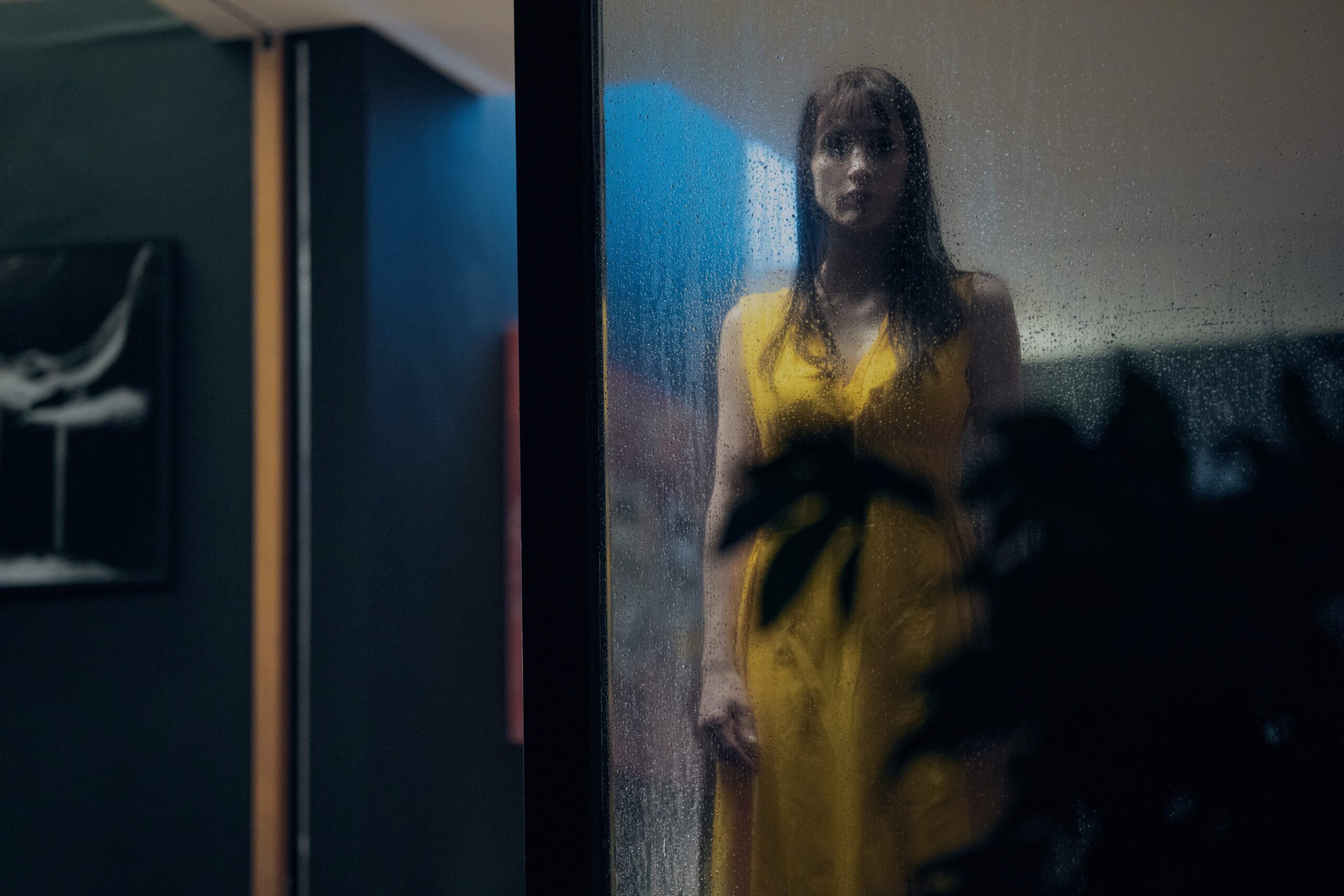
And I also don't think audiences would mind the fact that the movie— despite the huge set pieces, designer clothes and dozens of celebrity cameos—feels less dazzling than the first. While the sequel doubled down on style with bolder fashion, grander locations, and flashy cameos, something about its mise-en-scène that leaves the overall feeling less polished and glamorous than expected.
What's interesting is this could be a deliberate choice to help highlight the theme and tone of the sequel. And if that's the case, then that is quite an effective way to drive the point home.
A scandal has rocked Runway after a lapse of judgment with one of their recent profiles. To help keep advertisers and salvage the brand's credibility, Irv Ravitz hires a newly unemployed Andy to become the magazine's Features editor.
Here, the plot tackles the impact of the digital era to traditional publications and journalism as a whole. It also touches on cancel culture and how fast reputation (and company stock) can plummet as quickly as one swipes on mobile devices. Given the times we're in now, the dilemma Miranda and Andy face resonate louder than ever. Their plight mirrors that of many journalists and publishers trying to survive and remain relevant.
For Runway, it isn't just keeping jobs. It's more philosophical than economical. For Andy, it's ensuring that journalism and telling stories that matter survive. For Miranda, it's upholding beauty, fashion, taste, artistry. For everybody else, it's survival in a period that's constantly evolving. The villain here is no longer Miranda. Or Andy's friends. (Or Nate.) It's the digital era and those tech-billionaires who are oh so eager to embrace AI.
That storyline serves as a great paradox to what a movie about style and fashion is. Its significance may not have been talked about as much in the dialogues but it's made clear in the movie's visual language.
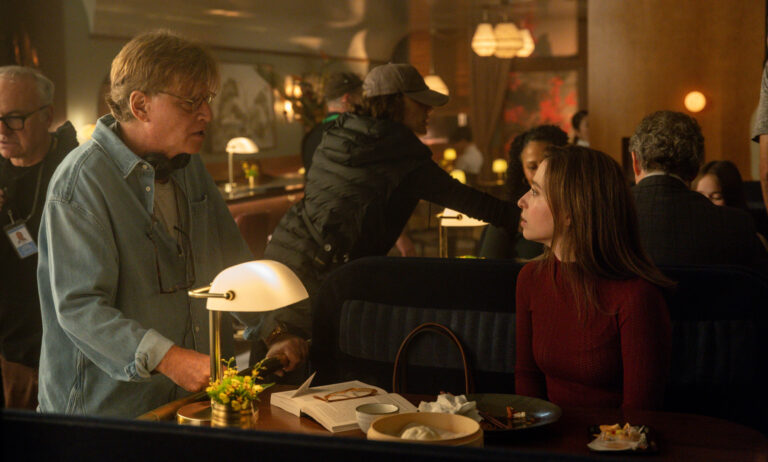
Here, the Runway office is shot in an unusual way. The framing in scenes inside the office made it look like a normal workplace and not the place where fashion legends have walked its halls. Even the layout of Miranda's office (and her assistants) look drabber this time. Somehow, it's trying to show audiences the grim and bleak future Runway faces.
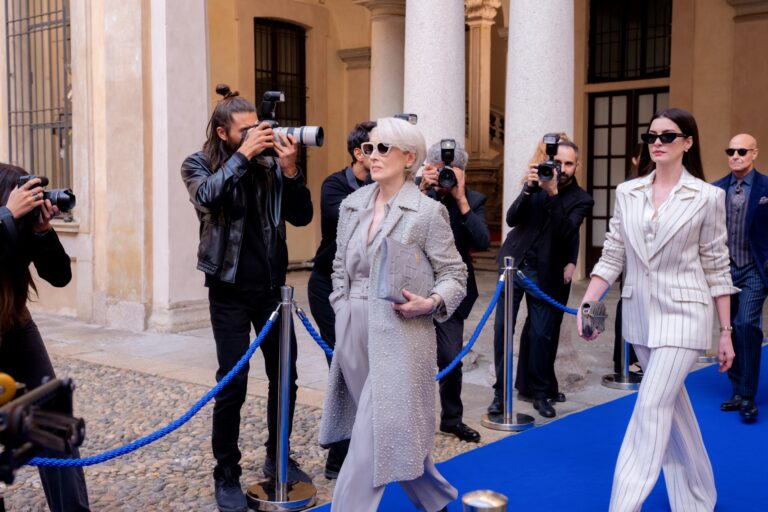
Character development is one of the movie's major strengths. Obviously, people are dying to see how these characters have changed after a decade. And the movie didn't disappoint. Apart from manifesting her dreams of becoming a real journalist, Andy is a lot more confident and fashionable. Miranda may still be intimidating and icy but she's shown a bit more of her softer side here. That scene in the Hamptons where she was giddy and shared some good news with Andy is a breath of fresh air. Nigel (Stanley Tucci) basically remains the same except he talks like a ventriloquist.
Perhaps the biggest evolution is Emily Charlton (Emily Blunt). No longer working at Runway, she's now an executive in Dior. She now calls the shots and, more importantly, in a position to tell Miranda 'no.'
The ensemble cast is amazing. All four's performances are solid, as everyone would expect. In fact, it's their dynamic that keeps the movie together (which keeps the audiences laughing). The banters are not just funny, but clever and witty. They also have plenty of references that make audiences feel like they're part of an inside joke—the kind of experience that makes watching movies a lot more fun.
As fun and enjoyable as the movie is, however, it's not flawless. There are some elements here that would make Miranda shake her head twice. But nothing major, just small details like the continuity in the scene with Andy and Emily at the Dior store. While they're talking, Andy pulled out a notebook and started jotting notes. When the camera is on Andy's back, we see her writing on the right side of the notebook. But when the camera is behind Emily, Andy is writing on the left side.
There's another thing that bothered me a bit. In one of the turning points in the story, Andy and Emily head out to a villa to solve a major problem. Now, the stakes are high and are accentuated by the background music. For some reason, the music sounded very similar to what they use in movies like Mission: Impossible. It felt a bit off tonally.
But the one missed opportunity was the Runway event in Milan where a surprise musical artist performed. The framing and camerawork in this particular scene failed to highlight how huge the moment was. Miranda would've pursed her lips upon seeing that.
But these minor missteps are easy to overlook.
The Devil Wears Prada 2 is a sequel done right. It may not be as groundbreaking as the first one, but there's no denying that a franchise as iconic as this will always do well at the end of the day.
That's all.
The Devil Wears Prada 2 is now showing in cinemas.
Cast: Anne Hathaway, Meryl Streep, Emily Blunt, Stanley Tucci, Simone Ashley, Lucy Liu, Justin Theroux, Kenneth Branagh, Helen J Shen
Directed by David Frankel
Written by Aline Brosh McKenna
Run time: 120 minutes
Distributor: 20th Century Studios
MTRCB rating: PG