Could this be one of best sci-fi movies, question?
Answer is ‘yes,’ statement.
There are so many elements that worked well for Project Hail Mary, the latest from directors Phil Lord and Chris Miller (Cloudy with a Chance of Meatballs, The LEGO Movie): stunning production design, infectious score and sound design, delicate cinematography, and a smart and witty screenplay.
Plus, an amazing screen presence from Ryan Gosling and his alien buddy (and crowd favorite), Rocky (James Ortiz).
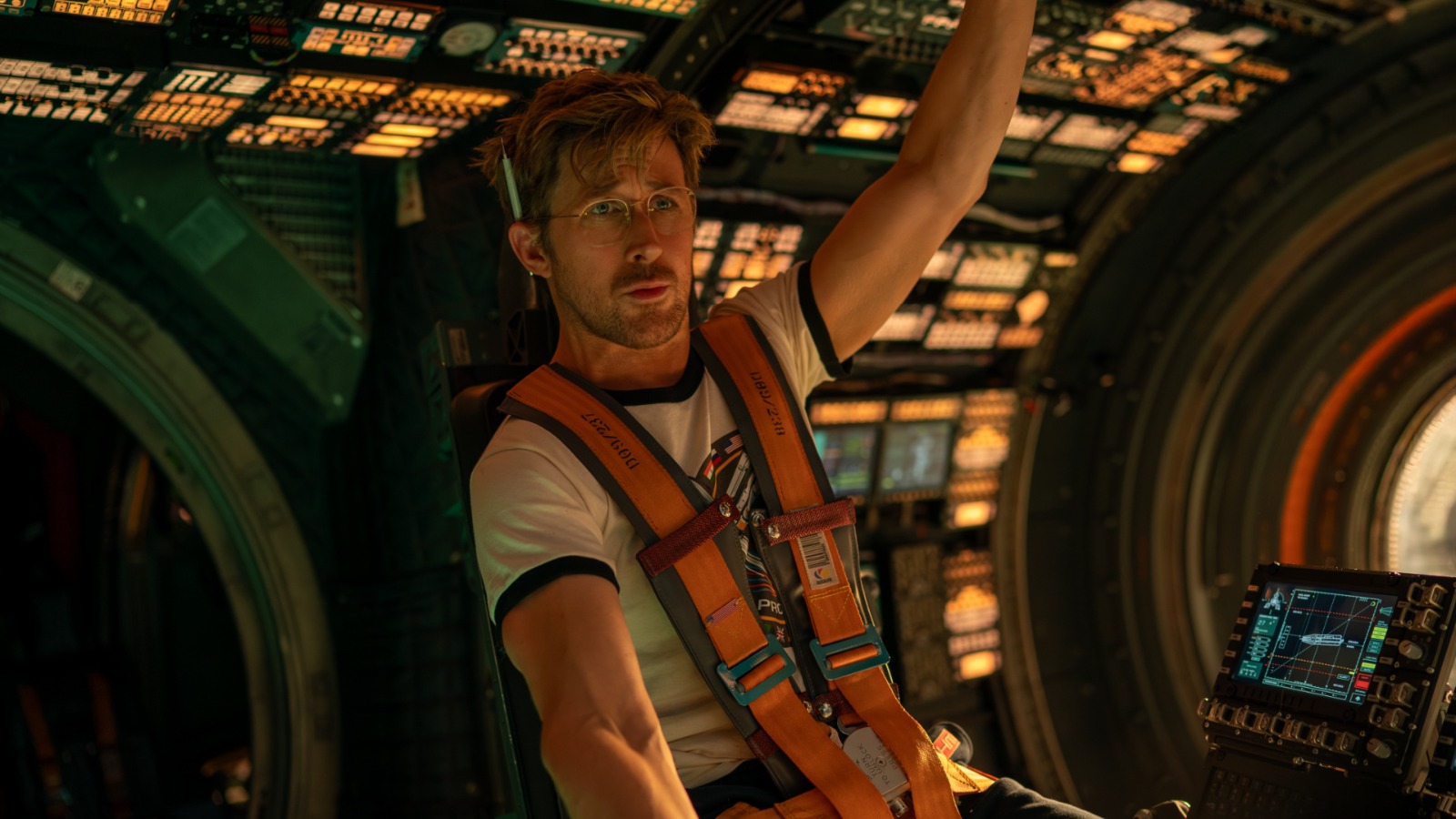
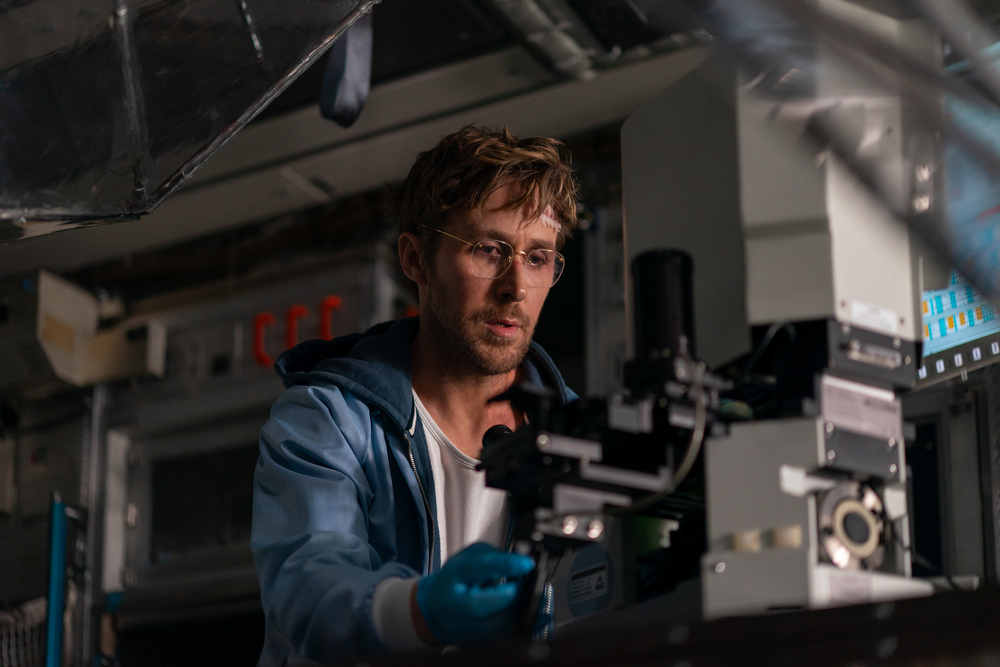
Ryan Gosling plays Ryland Grace, a reluctant astronaut who wakes up inside a space ship with no recollection of who he is and what the hell he’s doing in space. He spends the first few minutes frantically searching for clues to his identity but instead discovers two corpses. Turns out, these were the captain and engineer who didn’t make it through the space travel.
Written by Drew Goddard based on the 2021 Andy Weir novel of the same title, the movie remains mostly faithful to the source material, with only a few details changed. Nevertheless, its impact is huge. Project Hail Mary is undoubtedly one of the best sci-fi movies of late.
And that has a lot to do with the script. Goddard, who spent his early career writing for iconic shows like Buffy the Vampire Slayer, Alias, and Lost, managed to translate a weighted material into an easily digestible story.
Most films that take place in space usually feel daunting due to its theme. The Earth is dying and the cure lies in another planet. Or the sun is dying and it needs to be reignited by planting a bomb. Or a routine space exploration turns disastrous and its crew desperately needs to come home.
These all feel heavy. Watching them feels a bit burdensome because the stakes are so high.
Project Hail Mary is different. It feels different. It’s lighter.
Yes, the plot is gigantic in nature: stars in the galaxy, including the Earth’s sun, are dying, eaten away by black dots called astrophage. The world’s brilliant minds are trying to figure out how to save the sun so they built a space ship, called Hail Mary, to travel to a distant star that seems to be immune to the astrophage’s effects to find out a potential solution. They recruit Grace because of his background in molecular biology and due to unforeseen circumstances reluctantly becomes part of the team that goes out to space.
Despite the high-stake mission (for him and everyone left behind), there’s something about the way the movie was written that makes it almost auspicious.
More than the science, the focus on the characters is what gives more emotional heft to the movie. The thoughts we see on their faces and the conversations they have with each other adds intensity to the story. Midway through the film, I’ve become more invested on the characters than the fate of the planet. (Sorry!)
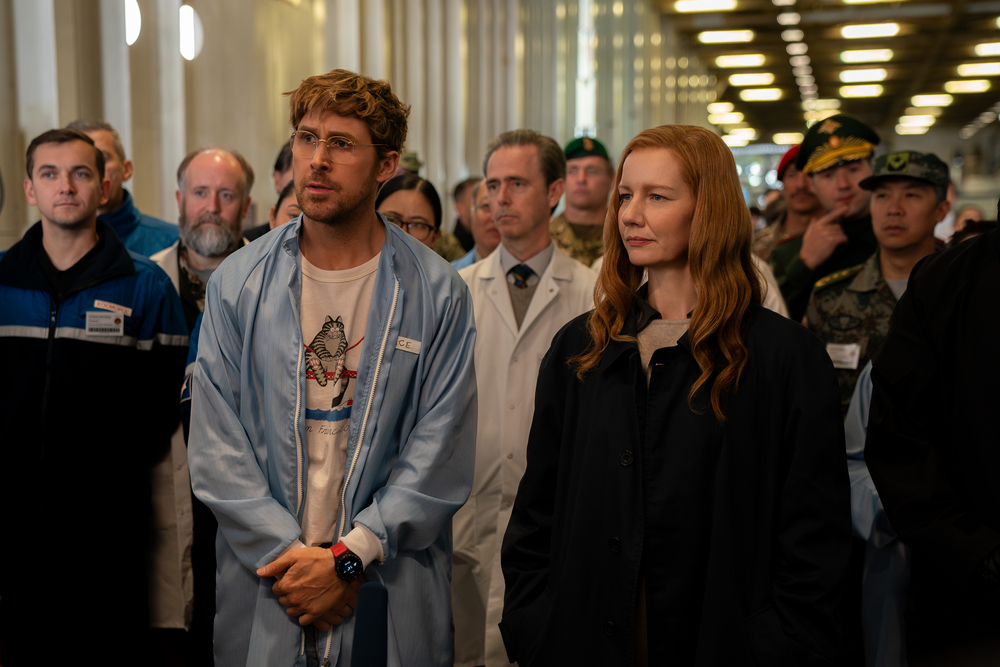
And that’s because they are well written. The banters between Grace and Carl sound absurd but they have the same impact as having a fun back-and-forth with a close work buddy. The deadpan manner in which Eva Stratt (Sandra Hüller) deals with Grace (and basically everybody else) has a strange funny effect.
But most importantly, the dynamic between Grace and Rocky is beautiful.
Interestingly, the conversations between a human and a piece of alien rock are the most compelling of all. They talk in short simple words and yet their interactions leave a poignant effect.
The dialogues are sharp and witty. They’re very reminiscent of Goddard’s work in Buffy the Vampire Slayer, particularly in ‘Selfless’ where he deftly tackled themes of gender stereotypes and the sense of self. It was so well written Vox ranked it #25 out of the series’ 144 episodes. This is why it’s not surprising how the script is sharp and riveting.
The script gave the movie an inherent charm that’s not common in most movies that happen in outer space.
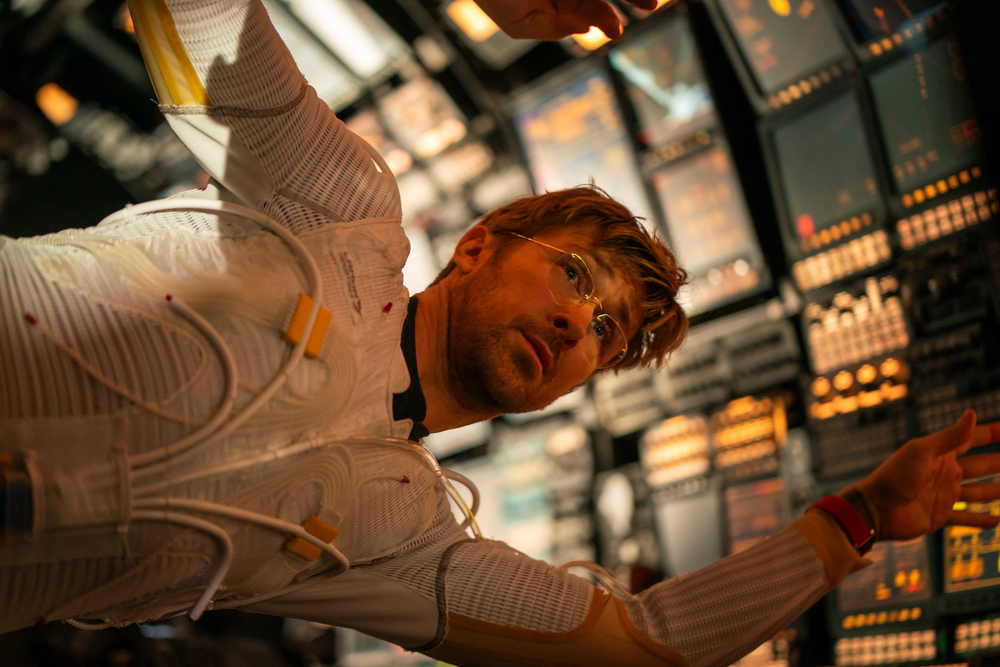
Photo credit: Jonathan Olley
© 2026 Amazon Content Services LLC. All Rights Reserved.
It’s also not exposition-heavy. While the science wasn’t dumbed down (thankfully), it didn’t get in the way of connecting with the audience.
That connection is further enhanced by the endearing performance of its lead. It’s hard enough to be the only one to tell the story 90% of the time, let alone banter with a prop that can’t talk. Not only did Gosling possess the chops to pull off a Sandra Bullock in space, he had the charm required to make audiences invest in his make-believe friend.
A lot of the movie’s most memorable scenes come from the mundane moments between Grace and Rocky, like the one where they are trying to find a suitable voice for Rocky (the Meryl Streep cameo elicited such a positive response from the crowd). Between the two of them are a handful of tender moments that ultimately became the film’s core.
Towards the end, I care more about what happens to Rocky and what Grace is going to do about it than him saving the Earth.
Daniel Pemberton’s score (you can listen to it here) has a lot to do with the movie’s emotional pull on the audience. It’s so good it’s a character in itself; its comedic timing is spot on and it really knows when to trigger the waterworks.
It perfectly complements the cinematography in evoking a specific emotion. In scenes (like Grace’s first encounter with Blip-A) where there are no dialogues, we still feel what the filmmakers want us to feel. The score, sound design, camerawork, and visual effects are like part of an orchestra playing music that’s absolutely amaze, amaze, amaze.
Ultimately, it’s the blending of all these elements that made Project Hail Mary so impactful. It’s such a crowd pleaser it’ll linger with you long after you left the cinema.
You love it, question?
Absolutely, statement.
Project Hail Mary is now playing in cinemas.
Photos by Columbia Pictures