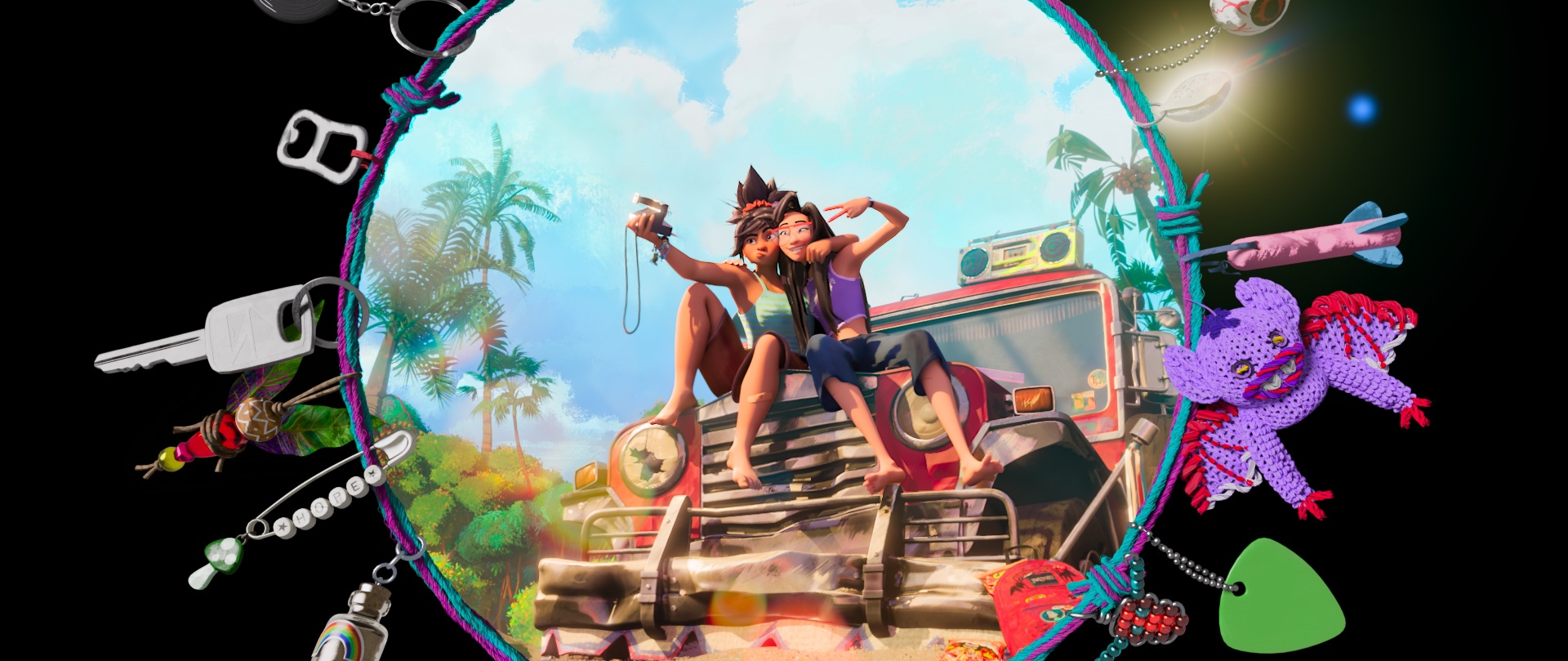
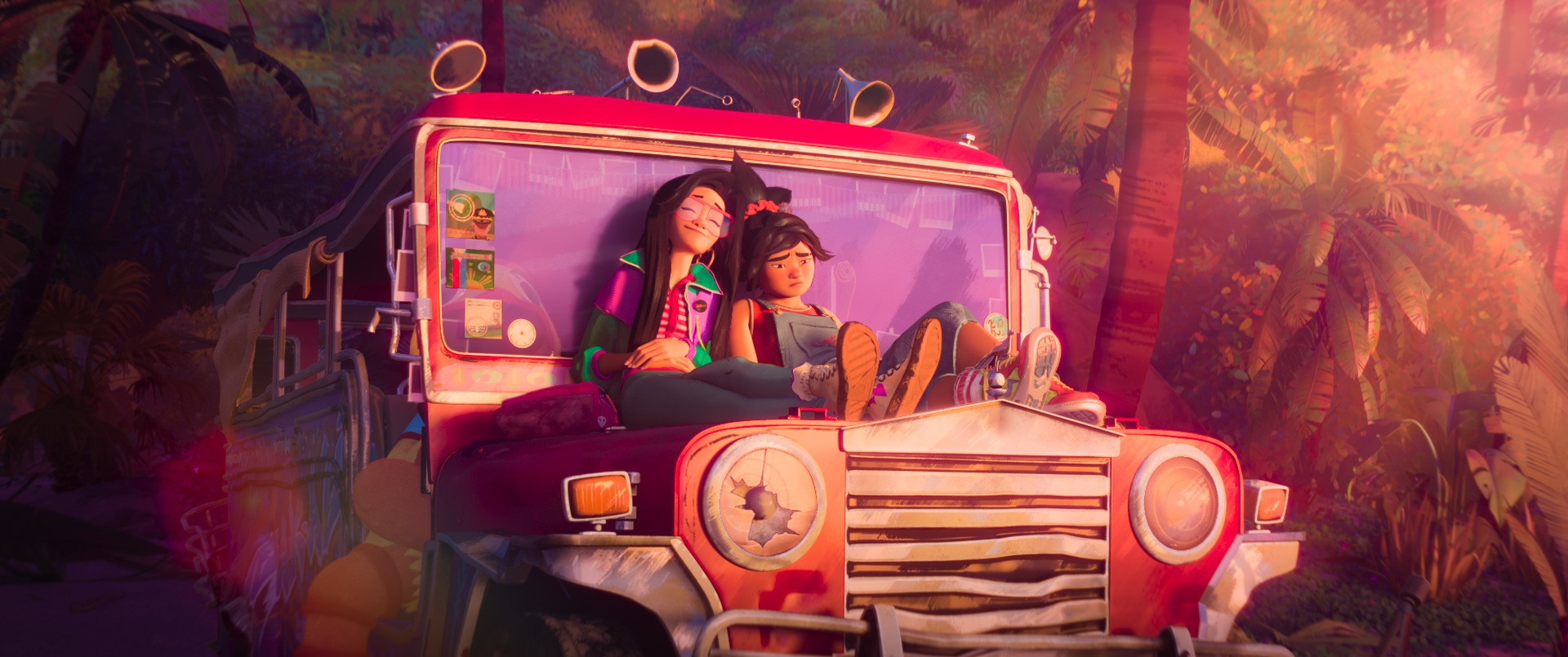
The Filipino spirit is very much alive in DreamWorks Animation’s upcoming movie Forgotten Island and it’s Pinoy references are sending many people in a frenzy.
The movie trailer, which dropped last night, is brimming with so many references from Pinoy pop culture and folklore it’s hard not to take notice. For one, it features Liza Soberano, one of the biggest names in Philippine TV, in a lead role alongside H.E.R. Broadway superstar and Tony winner Lea Salonga is also part of the cast as the mythical manananggal as well as critically acclaimed actress Dolly De Leon.
Let’s take a look at some of the Forgotten Island Pinoy references we caught in the trailer.
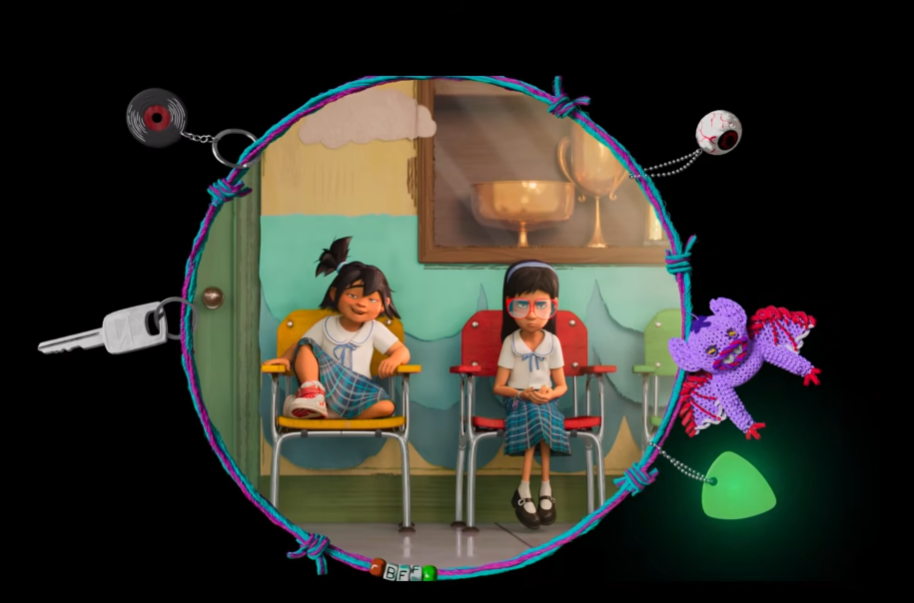
Schoolgirl uniform
Most schools (public and private) in the Philippines mandate students to wear uniforms like the ones worn by Jo and Raissa. It varies with different schools, but the elements are the same: a white blouse paired with below-the-knee skirts. Girls wear either ribbons or ties on their tops.
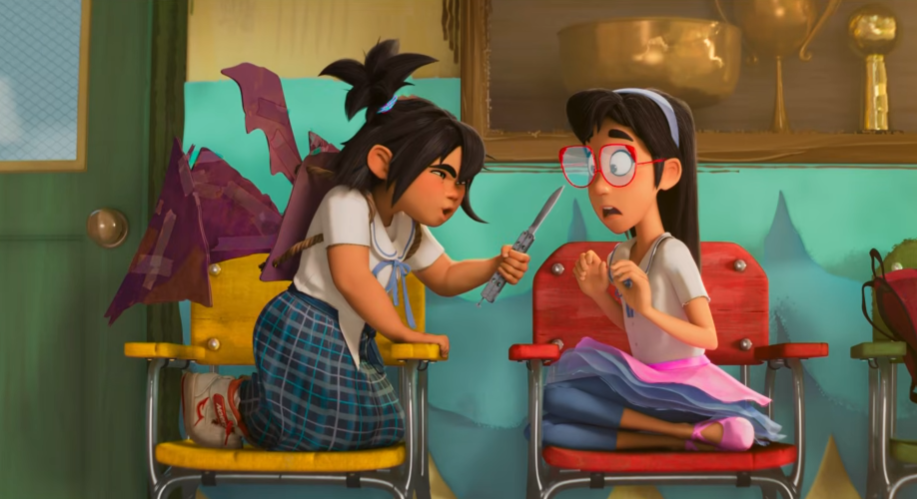
Blood oath or sandugo
The sandugo (or sanduguan) is a blood compact ritual performed to symbolize friendship, alliance, and brotherhood (in this case, sisterhood). This is a sacred ritual done to seal alliances between individuals. Usually, tribal leaders do this by making small cuts in their hands using a dagger (or wrists and even areas like the chest) and then mixing blood with wine and then drinking it to symbolize “being one” with the other.
Another Pinoy reference in this scene is the balisong or butterfly knife. Known to originate from Batangas province, this folding pocketknife has two counter-rotating handles that conceal a blade.
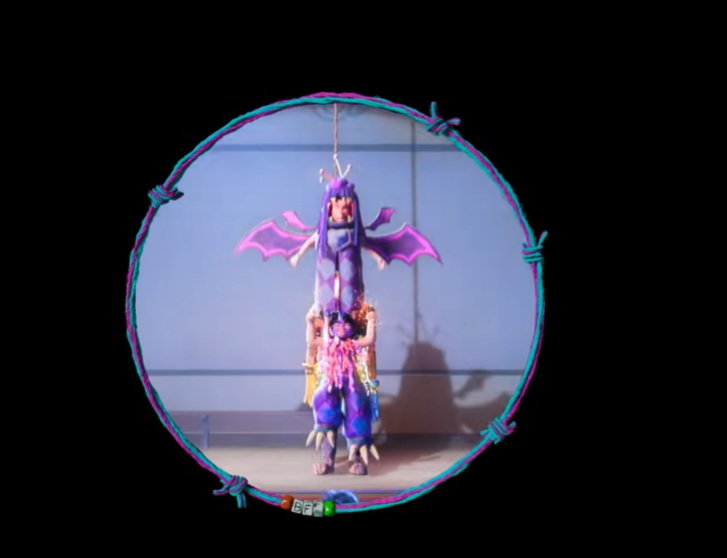
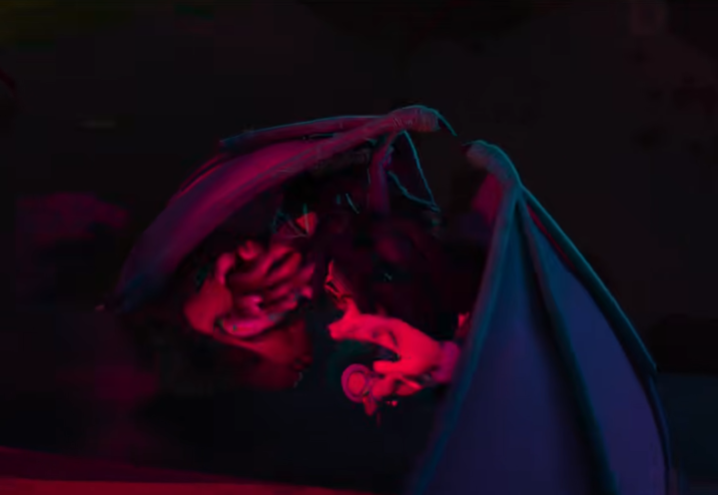
Manananggal
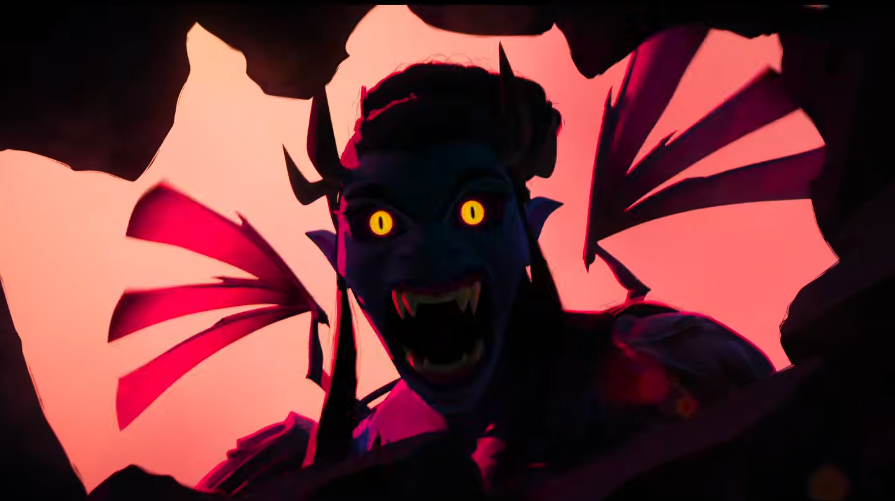
A manananggal is a mythical creature that resembles both a vampire and demon. Portrayed mostly as a woman by day, the manananggal transforms during the night after applying oil on the body. Wings appear at the back and then the upper torso detaches from its lower half. It flies and hunts (usually preys on pregnant women using a long proboscis-like tongue) while leaving its lower body behind.
It’s interesting how the filmmakers chose this treatment for the notorious creature. Manananggals are almost never portrayed in a good light. And based on the trailer, it seems like the manananggal is a character that’ll serve as a friend for Jo and Raissa.
Gabi or taro leaves
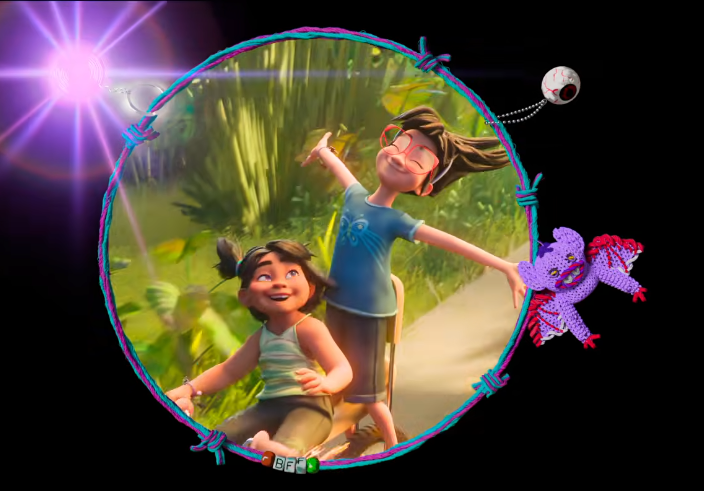
Growing up in the Philippines during the 90s means kids play outside: on the streets, rice fields, and even vacant lots where shrubs and weeds grow. In one of the clips that show Jo and Raissa playing outside their home, we see a common scenery in most kids’ childhood memories: patches of shrubs and weeds along the streets.
Anito
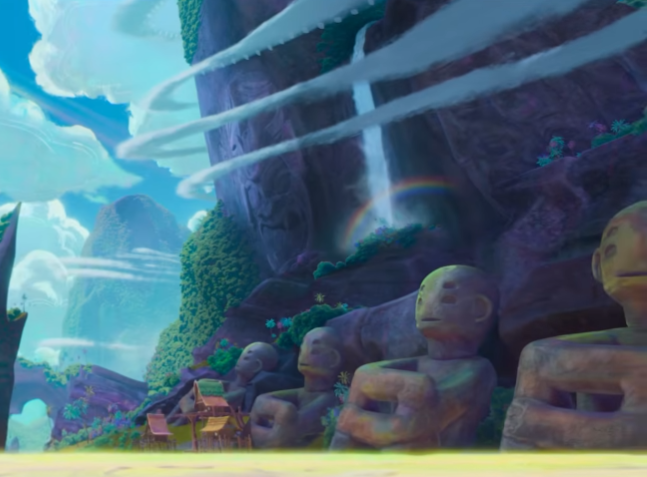
Anitos are sacred figures made from wood, stone, or ivory that symbolize ancestral spirits or souls of the dead. They are often used by shamans to communicate with spirits for guidance, fertility, or protection.
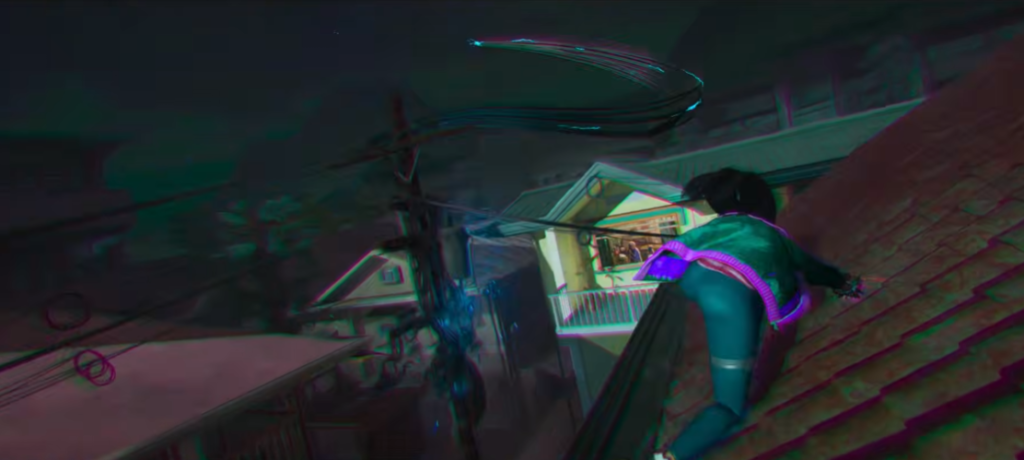
Local neighborhood
One clip shows a very familiar imagery of how Filipino neighborhoods look like. It’s common in most communities to have houses sit close to each other with narrow streets and lined with wooden electrical posts with energy wires hanging close to homes.
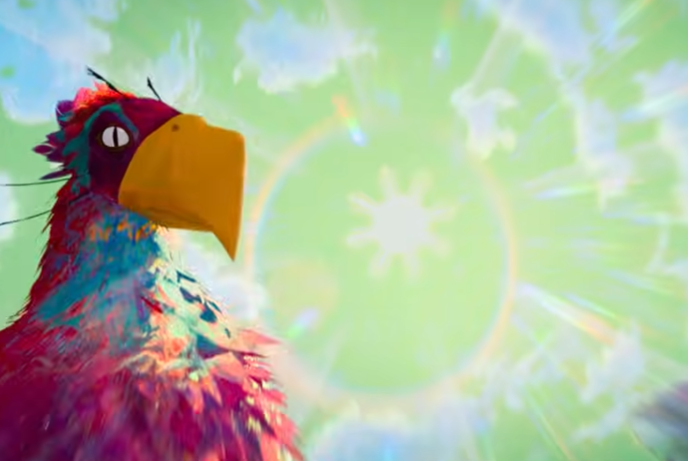
Sarimanok or Ibong Adarna
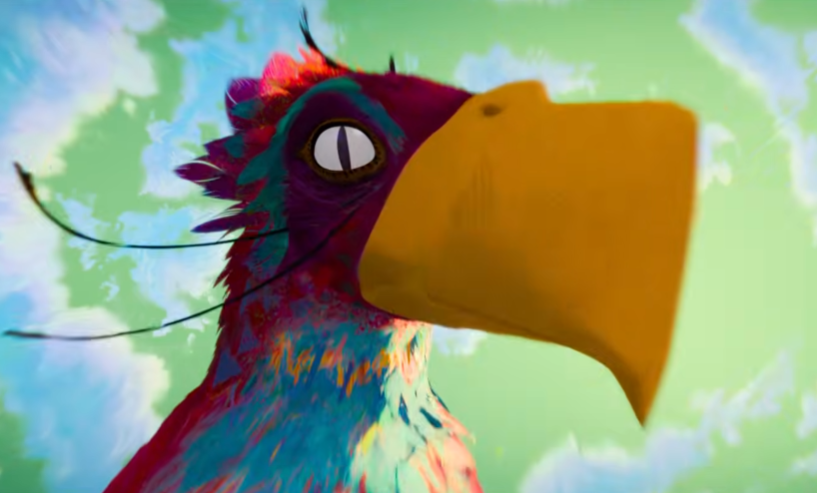
The sarimanok is a mythical bird originating from Mindanao and is also referred to as a colorful rooster. It symbolizes prosperity and good fortune. The Ibong Adarna, meanwhile, is a magical bird mentioned in one of the most popular literary pieces in the Philippines. It’s coveted by many because of its healing powers. It also has the power to turn people to stone.
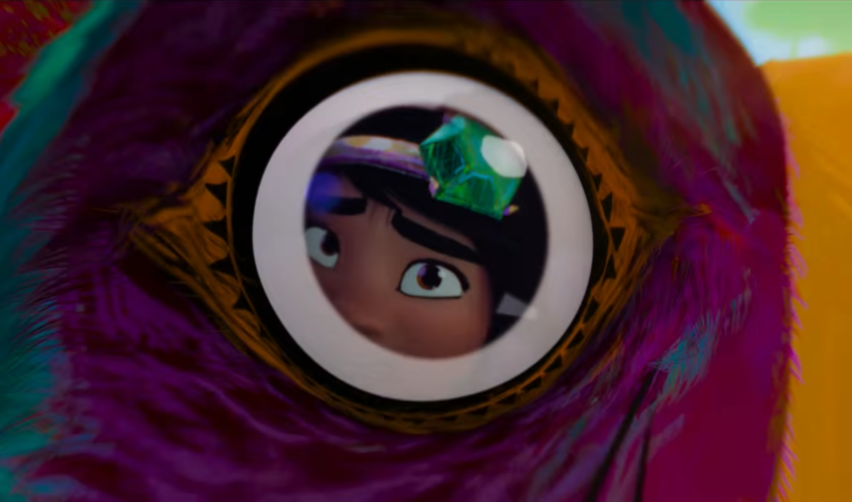
In one of the clips, we see a bird that bears striking resemblance to both mythical fowls. The eye of the bird also features a design that’s reminiscent of tribal tattoos found in pre-colonial people.
Kapre
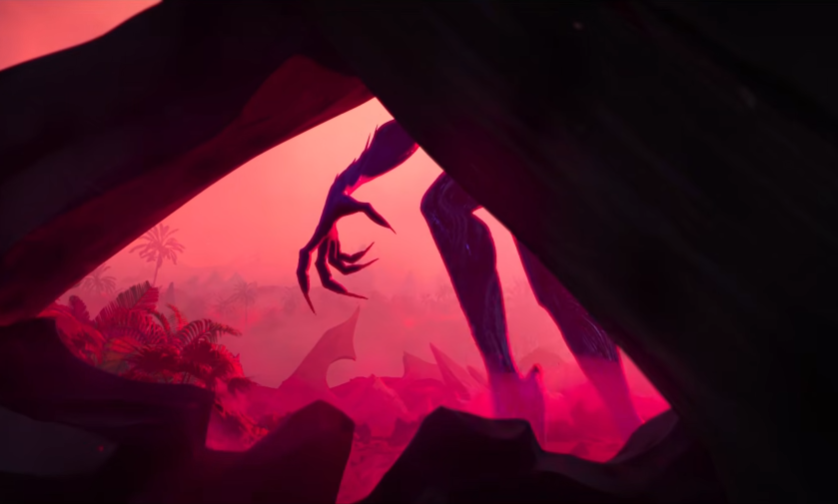
One of the most popular mythical creatures in Philippine folklore is the kapre. Others refer to it as a tree giant or tree demon. It resides in massive trees and is often portrayed as a tobacco smoker and comes out at night. It’s a bit unclear if it’s the kapre featured in the trailer because its face is not how most tree giants have been portrayed in Pinoy pop culture.
(Or maybe the second frame isn’t the kapre but the manananggal?)
Pinoy Jeepney
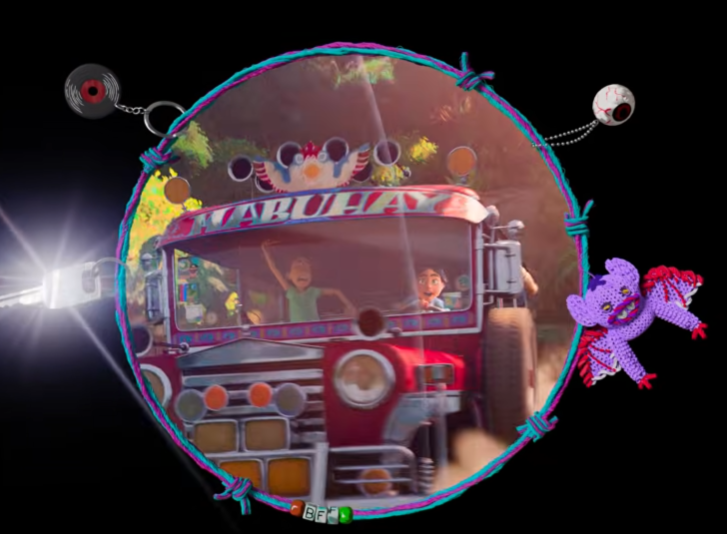
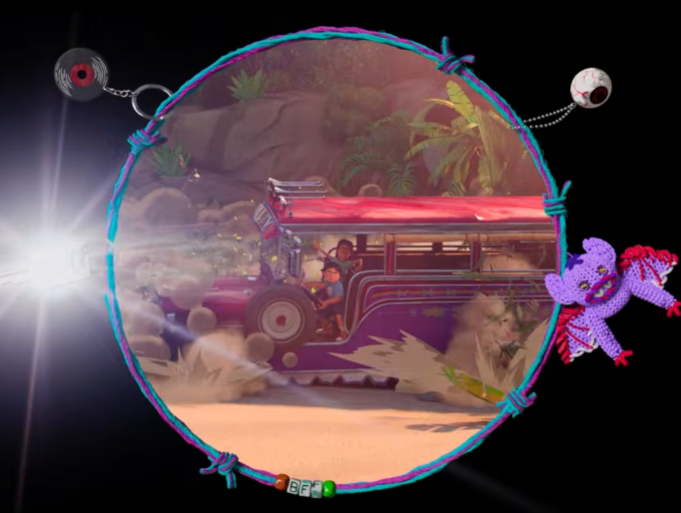
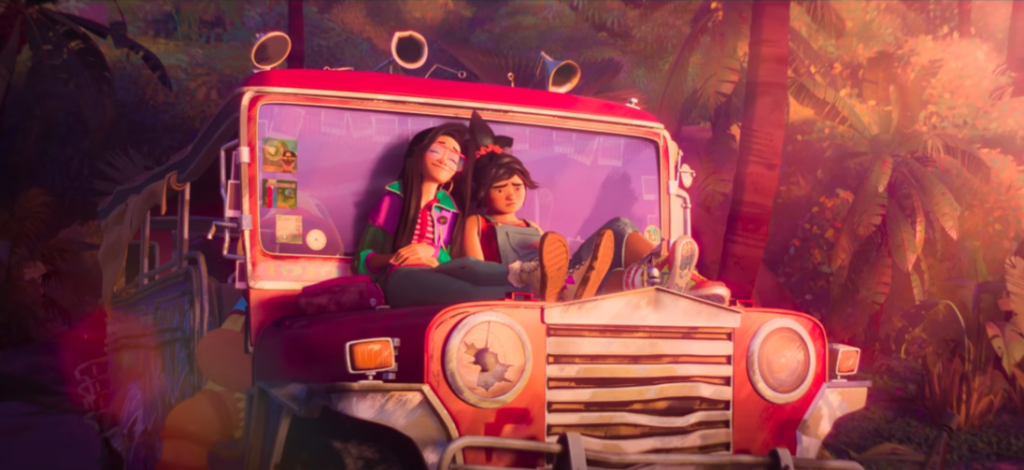
Perhaps one of the most recognizable Filipino symbol is the jeepney. The attention to detail here is impressive. You can see all the trinkets and parts that are present in an actual jeep—from the adornments at the top of the roof to the rolled up plastic cover along the windows to the tiny little conduction stickers on the windshield. Of course, there’s the “Mabuhay” signage right above it.
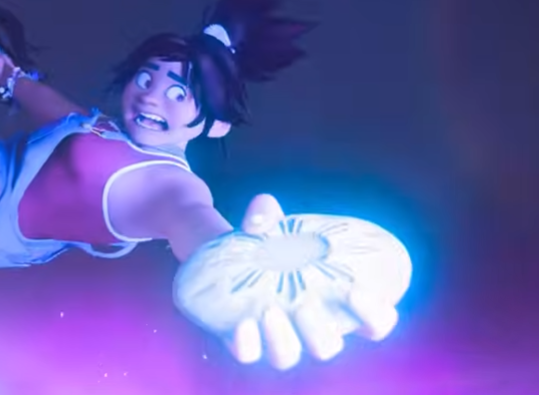
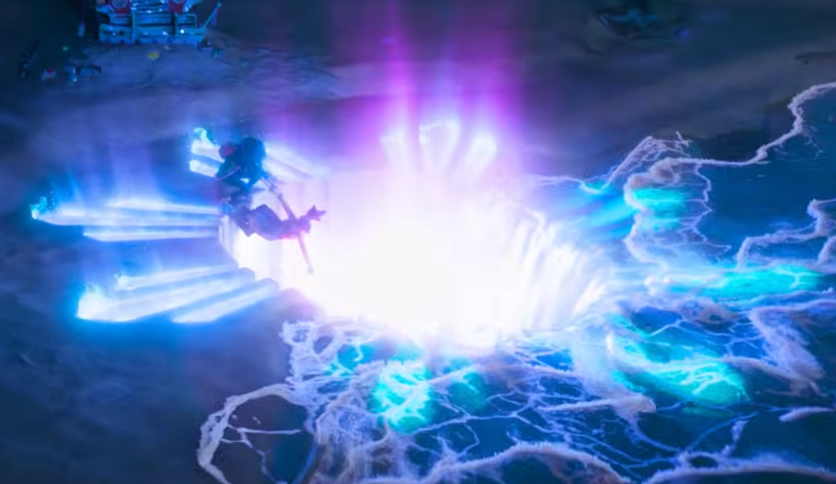
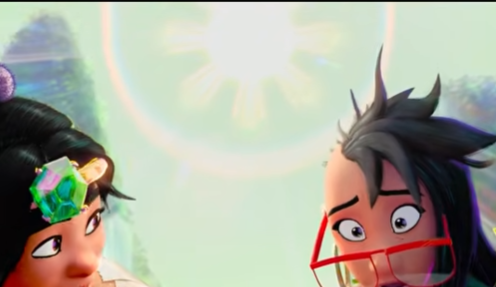
Philippine flag’s eight-rayed sun
The Philippine flag’s sun is prominently displayed in various parts of the movie. The eight rays represent the first provinces that revolted against the Spanish colonization in 1896: Manila, Cavite, Bulacan, Pampanga, Nueva Ecija, Tarlac, Laguna, and Batangas.
It’s great to see how the animators paid homage to the country’s most sacred symbol.
Forgotten Island arrives in cinemas September 23.
Screengrabs from the movie trailer